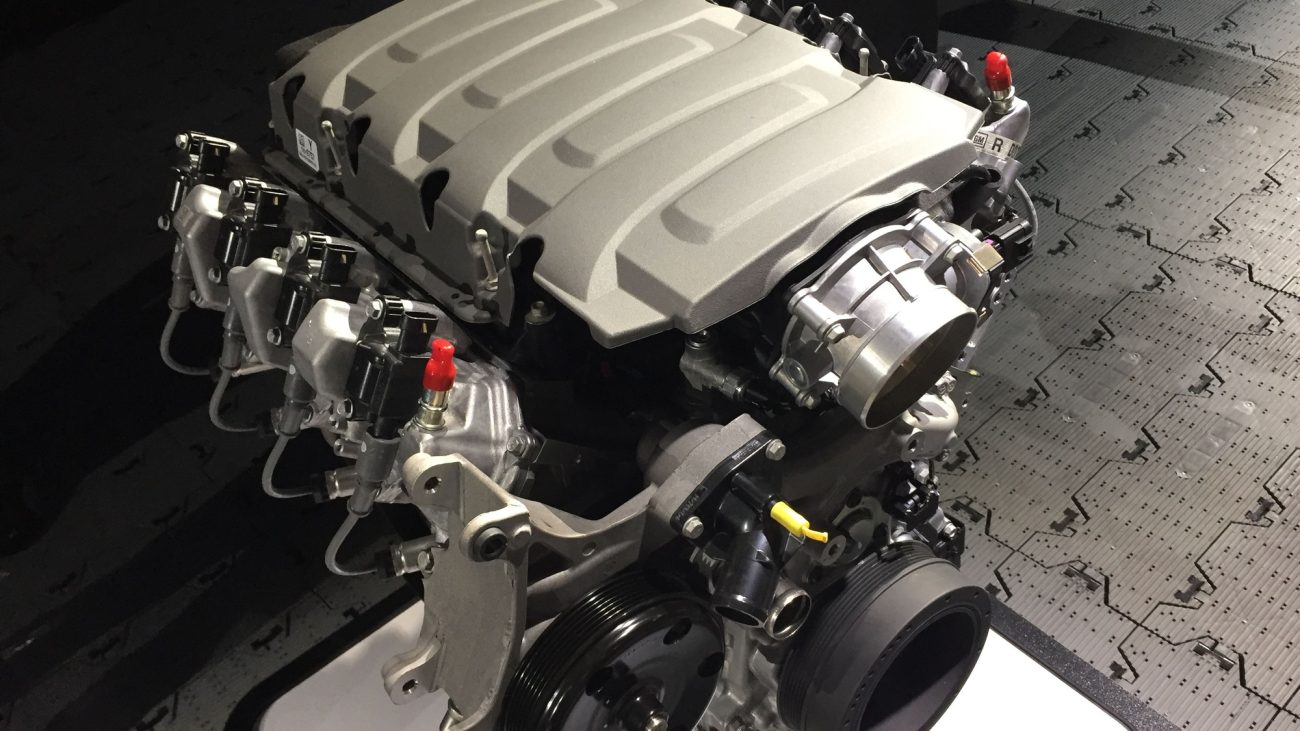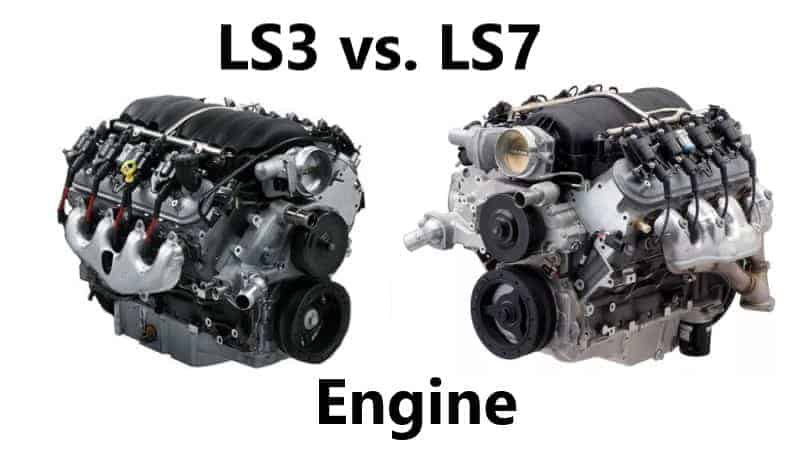
Introduction: LS3 vs LS7: Which LS Crate Engine Should You Choose?
When it comes to LS crate engines, few generate as much buzz as the LS3 and LS7. These two powerhouses from GM’s Gen IV small-block family represent the sweet spot between affordability, performance, and reliability.
But which is right for your build?
In this guide, we’ll break down the specs, pros and cons, applications, and pricing of the LS3 vs LS7, so you can confidently pick the best option for your street machine, race car, or restomod.
📘 First time building with an LS engine? Start here: LS Crate Engines: Everything You Need to Know
LS3 vs LS7 Specs Comparison Table
| Feature | LS3 | LS7 |
|---|---|---|
| Displacement | 6.2L (376 cu in) | 7.0L (427 cu in) |
| Horsepower | 430–525 hp | 505–570 hp |
| Torque | 425–486 lb-ft | 470–520 lb-ft |
| Block | Aluminum | Aluminum |
| Heads | Rectangular-Port | CNC-Ported LS7 |
| Valvetrain | Hydraulic Roller | Lightweight Titanium Valves |
| Redline | ~6,600 RPM | ~7,000 RPM |
| Weight | ~415 lbs | ~470 lbs |
| Cost Range | $6,500–$9,000 | $13,000–$17,000 |
| Best For | Street, restomods, budget performance | Track cars, high-end builds |
Engine Overview
LS3: The Versatile Performer
-
Introduced in the C6 Corvette and 5th-gen Camaro SS
-
430–525 horsepower in crate form
-
Incredible aftermarket support
-
Excellent value for restomods and street builds
-
Easy to tune, EFI-ready, great for swaps
LS7: Race-Bred Precision
-
Debuted in the C6 Z06 Corvette
-
Hand-built 7.0L with dry sump system (in OE form)
-
Titanium intake valves, forged internals, CNC heads
-
Known for its high-RPM capability and lightweight valvetrain
-
Ideal for autocross, track cars, and high-end muscle
Pros & Cons
| LS3 | LS7 | |
|---|---|---|
| Pros | Affordable, reliable, easy to upgrade | Extreme RPM range, race-ready internals |
| Cons | Limited top-end power | Expensive, sensitive valvetrain |
| Support | Massive aftermarket | Moderate aftermarket |
| Availability | Readily available | Limited due to production cuts |
Cost & Value
| Package | LS3 | LS7 |
|---|---|---|
| Base Crate | ~$6,500 | ~$13,500 |
| Turn-Key | ~$8,500 | ~$16,000 |
| With Transmission | ~$10,500+ | ~$18,000+ |
Want it ready-to-run? Check out Turn-Key LS Crate Engines
Best Applications
| Vehicle Type | Recommended Engine |
|---|---|
| Daily Driver / Street Rod | LS3 |
| Classic Muscle Build | LS3 or LS7 |
| Track-Day Car / Road Racing | LS7 |
| Lightweight Swap (Miata, 240SX, etc.) | LS3 |
| High-End Restomod / Corvette Build | LS7 |
💬 Frequently Asked Questions
❓Is the LS7 worth the extra cost over the LS3?
If you’re building a track-focused or high-performance machine and want extreme RPMs with exotic internals — yes. For street builds or daily drivers, the LS3 delivers more value per dollar.
❓Can you supercharge either engine?
Yes. Both engines respond well to boost. However, LS7’s valvetrain must be upgraded for prolonged boost applications.
❓Which is easier to install in a swap?
LS3. It’s more common, better supported, and requires fewer custom components.
Related Blog Posts to Build Authority
Final Verdict: LS3 or LS7?
-
Choose the LS3 if you want:
✅ Affordable power
✅ Easy swaps
✅ Broad tuning support -
Choose the LS7 if you want:
🏁 Race-ready revs
Exotic valvetrain tech
Peak naturally aspirated performance
Either way, you’re getting one of the most respected V8s ever built.