

Troubleshooting Kohler EFI Engine Problems: A Comprehensive Guide
Introduction: Understanding Your Kohler EFI System
Kohler’s Electronic Fuel Injection (EFI) systems represent a significant advancement in small engine technology, offering improved fuel efficiency, easier starting, and better overall performance. However, when problems occur, they can be more complex to diagnose than traditional carbureted engines. This comprehensive guide will help you systematically troubleshoot and resolve common Kohler EFI engine issues.
⚠️ Safety First: Always disconnect the spark plug wire and battery before performing any maintenance. Work in a well-ventilated area and keep a fire extinguisher nearby.
Quick Diagnostic Flowchart
🖼️ IMAGE: [kohler-efi-troubleshooting-flowchart.png]
Alt-text: Visual flowchart showing Kohler EFI diagnostic process from initial symptoms to specific system checks
-
Engine doesn’t crank → Check battery, starter, safety switches
-
Engine cranks but won’t start → Verify spark, fuel, compression
-
Engine starts but runs poorly → Check sensors, fuel quality, air intake
-
Engine runs then stalls → Investigate fuel delivery, overheating, electrical issues
Common Problems and Solutions
1. Engine Won’t Crank
Symptoms: No response when turning key, clicking sound, or slow cranking.
Troubleshooting Steps:
-
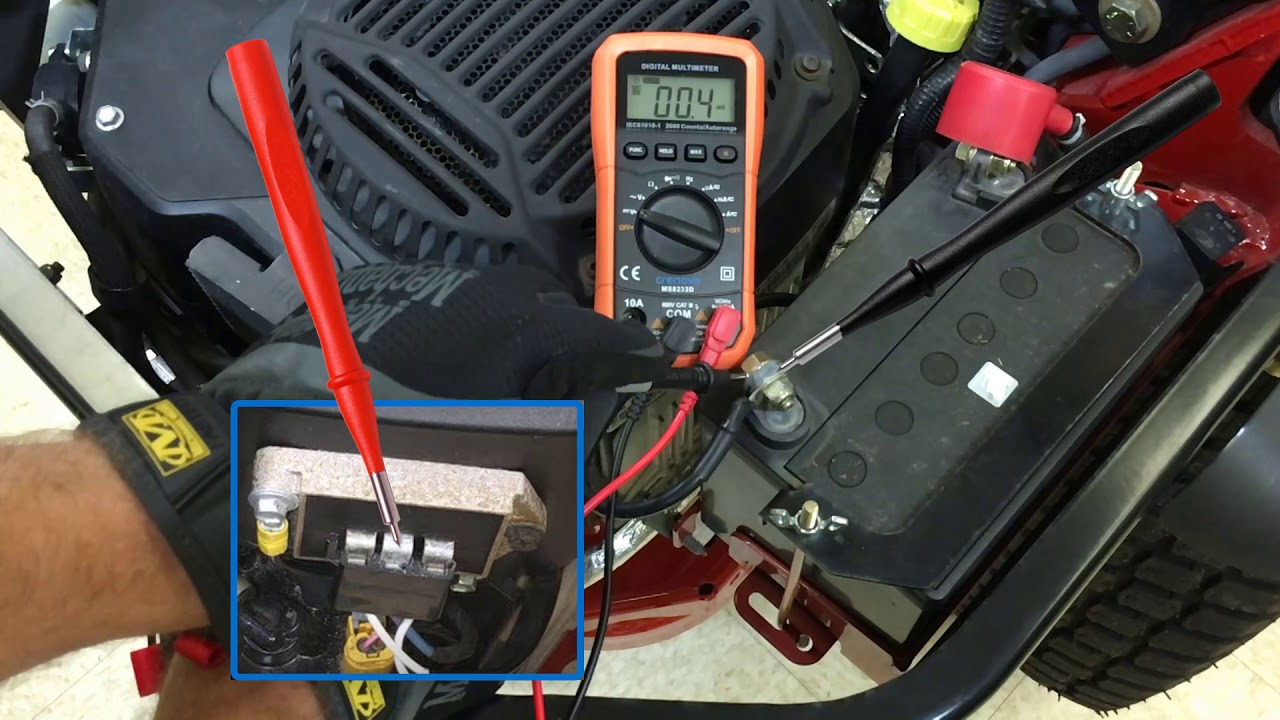
Check battery voltage – Should be 12.6V or higher
-
Inspect battery terminals – Clean corrosion and ensure tight connections
-
Test starter motor – Listen for engaging sound
-
Verify safety switches – Seat, brake, and PTO switches must be engaged properly
🖼️ IMAGE: [kohler-efi-battery-testing.jpg]
Alt-text: Technician testing Kohler EFI battery voltage with multimeter
2. Engine Cranks But Won’t Start
This is the most common EFI problem category. Use the “Spark, Fuel, Air” method:
A. Checking for Spark:
-
Remove spark plug and inspect for fouling or damage
-
Test spark with spark tester
-
Check ignition coil and connections
-
Verify kill switch isn’t engaged
B. Checking Fuel System:
-
Listen for fuel pump prime (2-3 second whirring sound when key turned on)
-
Check fuel quality – Old or contaminated fuel is a common issue
-
Inspect fuel filter – Replace if clogged
-
Test fuel pressure – Should be 40-55 PSI for most Kohler EFI systems
-
Check fuel injector – Listen for clicking sound during cranking
🖼️ IMAGE: [kohler-efi-fuel-pressure-test.jpg]
Alt-text: Mechanic testing Kohler EFI fuel pressure with gauge
C. Checking Air Intake:
-
Remove air filter and inspect for blockage
-
Check for obstructions in air intake
-
Ensure intake manifold is properly sealed
3. Engine Starts But Runs Poorly
Symptoms: Rough idle, hesitation, lack of power, or surging.
Diagnostic Steps:
A. Read Error Codes:
Kohler EFI systems flash diagnostic codes through the check engine light:
| Flash Code | Problem Area |
|---|---|
| 2 Flashes | MAP Sensor |
| 3 Flashes | Charge Temperature Sensor |
| 4 Flashes | Throttle Position Sensor |
| 5 Flashes | Fuel Injector Circuit |
B. Sensor Testing:
-
MAP Sensor – Check for vacuum leaks, test sensor output
-
Throttle Position Sensor – Verify smooth resistance change
-
Temperature Sensors – Test for proper resistance values
-
Oxygen Sensor – Check for contamination or failure
🖼️ IMAGE: [kohler-efi-sensor-locations.jpg]
Alt-text: Labeled diagram showing Kohler EFI sensor locations
C. Fuel Quality Issues:
-
Drain old fuel (older than 60 days)
-
Check for water contamination
-
Use fuel stabilizer for seasonal storage
Advanced Troubleshooting
Electrical System Diagnostics
-
Check all ground connections – Clean and tighten
-
Test ECU power supply – Verify stable 12V supply
-
Inspect wiring harness – Look for chafed or damaged wires
-
Check fuse panel – Replace blown fuses
Fuel System Deep Dive
-
Fuel pump flow test – Should deliver specified volume
-
Injector pulse test – Use noid light to verify operation
-
Pressure regulator test – Ensure stable pressure
-
Line and tank inspection – Check for restrictions or contamination
Preventive Maintenance Schedule
Daily/Before Use:
-
Check fuel level and quality
-
Visual inspection for leaks or damage
-
Verify proper operation of safety switches
Every 50 Hours:
-
Change engine oil and filter
-
Clean or replace air filter
-
Check battery condition and connections
Every 100 Hours:
-
Replace fuel filter
-
Inspect spark plug
-
Check all electrical connections
Seasonal/250 Hours:
-
Replace spark plug
-
Clean fuel system
-
Check valve clearance
-
Comprehensive sensor inspection
When to Seek Professional Help
Consider professional service if you encounter:
-
Persistent error codes after basic troubleshooting
-
Suspected ECU failure
-
Internal engine problems (low compression)
-
Complex electrical issues beyond basic diagnostics
Essential Tools for EFI Troubleshooting
-
Digital multimeter
-
Fuel pressure test kit
-
Spark tester
-
Basic hand tools
-
Safety equipment (gloves, eye protection)
Conclusion
Troubleshooting Kohler EFI engines requires a systematic approach and understanding of the basic systems. Start with simple checks before moving to complex diagnostics. Regular maintenance and using quality fuel are the best ways to prevent most EFI problems.
Need Parts or More Help?
-
Contact Certified Kohler Service
External Link: For official technical specifications and service bulletins, visit the Kohler Engines Technical Resources portal.
By following this guide and maintaining a methodical approach, you can successfully diagnose and resolve most Kohler EFI engine problems, ensuring reliable performance for years to come.