

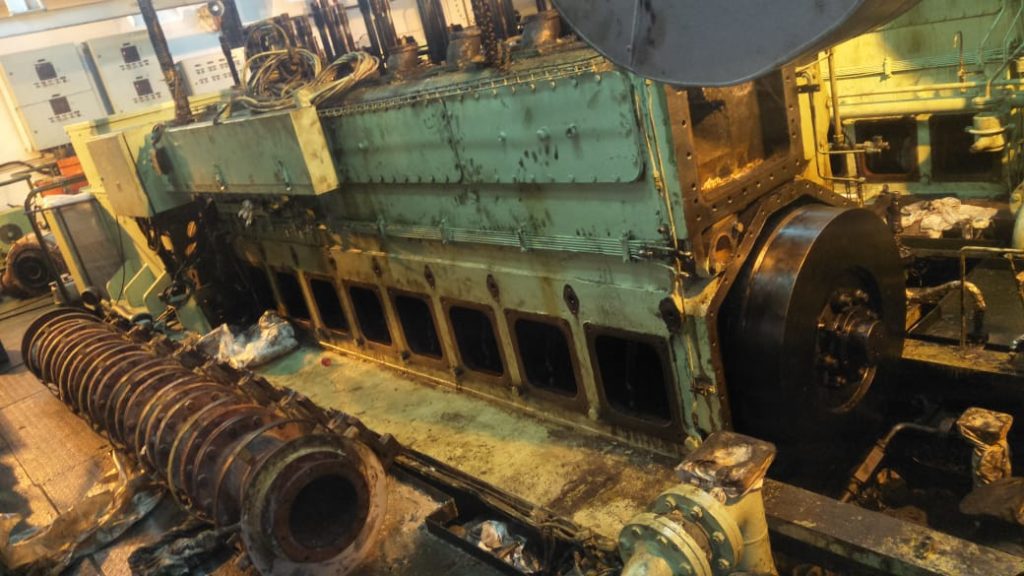
Common Marine Diesel Engine Problems and Solutions: A Visual Guide
Introduction: The Dependable, But Not Infallible, Workhorse
Marine diesel engines are renowned for their reliability and longevity. However, sitting for months, battling a corrosive environment, and running under load means problems can—and will—arise. For a sailor, understanding these common issues is not just about mechanics; it’s about safety and self-reliance.
This visual guide walks you through the most frequent marine diesel engine problems, their likely causes, and the practical steps you can take to get back underway.
⚠️ Safety First: Always disconnect batteries before working on electrical systems and be cautious around hot components and fuel.
Problem 1: Engine Won’t Start or is Hard to Start
There’s nothing more disheartening than turning the key and hearing the engine crank but not fire.
🖼️ IMAGE: [marine-diesel-engine-wont-start-diagram.jpg]
Alt-text: Diagram of a marine diesel fuel system showing fuel tank, primary filter, lift pump, secondary filter, and injectors with bleed points highlighted.
Likely Causes & Solutions:
-
✅ Air in the Fuel System (Most Common Cause)
-
Symptoms: Engine cranks but doesn’t catch, or starts and then dies.
-
Solution: This is a three-step bleeding process.
-
Bleed the Primary Filter: Locate the bleed screw on the top of the first fuel filter after the tank. Place a rag underneath, open the screw, and pump the manual lift pump until a steady stream of fuel, free of bubbles, comes out. Tighten the screw.
-
Bleed the Secondary Filter: Repeat the process on the secondary filter (usually on the engine block).
-
Bleed the High-Pressure Side (Injectors): Crack open (loosen slightly) the nuts on the fuel lines at the injectors. Crank the engine until fuel seeps out without bubbles. Tighten the nuts. Caution: Fuel will spray, so have rags ready.
-
-
🖼️ IMAGE: [bleeding-marine-diesel-fuel-filter-closeup.jpg]
Alt-text: Close-up photo of a mechanic’s hand using a wrench on the bleed screw of a marine diesel fuel filter with clear, bubble-free fuel flowing out.
-
✅ Glow Plug/Pre-Heat System Failure
-
Symptoms: Hard starting, especially in cool weather; excessive white smoke while cranking.
-
Solution: Test the glow plugs. Remove the electrical wire and use a multimeter to check for continuity between the terminal and the engine block. No continuity means a dead glow plug. Replace as a set.
-
🖼️ IMAGE: [testing-marine-diesel-glow-plug-with-multimeter.jpg]
Alt-text: Someone testing a marine diesel engine glow plug with a digital multimeter, checking for electrical resistance.
-
✅ Weak Battery or Poor Connections
-
Symptoms: Slow cranking speed, “clicking” sound, or no response at all.
-
Solution: Check battery voltage (should be >12.5V). Clean and tighten all battery terminal connections, including the ground connection on the engine block.
-
Internal Link: For a deeper dive on this critical topic, read our guide How to Bleed a Marine Diesel Engine.
Problem 2: Excessive Smoke from Exhaust
The color of the smoke is your most important diagnostic clue.
🖼️ IMAGE: [marine-diesel-exhaust-smoke-color-guide-infographic.png]
Alt-text: Infographic comparing black, white, and blue smoke from a marine diesel exhaust, with causes listed for each color.
-
Black Smoke:
-
Cause: Over-fueling or insufficient air. The engine is running too “rich.”
-
Solutions:
-
Check the air filter/air intake for blockage.
-
Check for a stuck injector.
-
Ensure the propeller is clean and not overloaded (e.g., fouled with a fishing net).
-
-
-
White Smoke (Sweet Smell):
-
Cause: Coolant leaking into the combustion chamber. This is a serious issue.
-
Solutions:
-
Check for milky oil on the dipstick (a sign of a blown head gasket or cracked head).
-
Check coolant level for unexplained drops.
-
Action: Stop the engine immediately and seek professional help.
-
-
🖼️ IMAGE: [milky-oil-on-dipstick-marine-engine.jpg]
Alt-text: Close-up of a marine engine’s dipstick showing milky, chocolate-brown oil, indicating coolant contamination.
-
White Smoke (Fuel Smell):
-
Cause: Unburned fuel. Often due to incorrect injection timing, a faulty injector, or low compression.
-
Solutions: Check glow plugs. If problem persists, injector or compression testing may be needed.
-
-
Blue Smoke:
-
Cause: Burning oil.
-
Solutions: Often indicates worn piston rings, valve guides, or turbocharger seals. Check for excessive oil consumption.
-
Problem 3: Loss of Power Under Load
The engine starts and idles fine but bogs down and can’t reach full RPM when you throttle up.
-
✅ Fuel Starvation (Most Common)
-
Causes: Clogged fuel filter, blocked tank vent, water in fuel, or a failing lift pump.
-
Solution: Change primary and secondary fuel filters. Check the fuel tank vent by slightly opening the fuel fill cap—if power returns, the vent is blocked.
-
🖼️ IMAGE: [clogged-marine-diesel-fuel-filter-comparison.jpg]
Alt-text: Side-by-side comparison of a new, clean marine diesel fuel filter versus an old, clogged, and dirty one.
-
✅ Fouled Propeller or Hull
-
Cause: Growth on the prop or hull creates massive drag.
-
Solution: If you suspect this, put the engine in neutral and see if it can easily reach high RPM. If it can, the problem is in the drive train, not the engine.
-
🖼️ IMAGE: [fouled-propeller-with-weed-and-barnacles.jpg]
Alt-text: A heavily fouled boat propeller covered in seaweed, barnacles, and other marine growth, causing drag and power loss.
-
✅ Turbocharger Issues (If Equipped)
-
Causes: Boost hose leak, stuck wastegate, or a seized turbo.
-
Solution: Visually inspect all turbo hoses and intercooler connections for leaks or damage.
-
Problem 4: Engine Overheating
A critical alarm that demands immediate attention.
🖼️ IMAGE: [marine-diesel-cooling-system-flow-diagram.jpg]
Alt-text: Labeled diagram of a marine diesel cooling system showing raw water flow and freshwater coolant flow through the heat exchanger.
-
✅ Raw Water Flow Problems (90% of Cases)
-
Causes:
-
Clogged Strainer: Check the raw water strainer for debris.
-
Worn Impeller: The rubber impeller in the raw water pump is the most common point of failure. Always carry spares.
-
Blocked Heat Exchanger: Marine growth or debris can clog the tubes.
-
-
Solution: Check the strainer first. If clear, inspect and replace the impeller.
-
🖼️ IMAGE: [worn-vs-new-raw-water-pump-impeller.jpg]
Alt-text: A comparison photo of a damaged raw water pump impeller with broken blades next to a new, flexible rubber impeller.
-
✅ Coolant Level Low
-
Cause: Leaks in the freshwater cooling system.
-
Solution: Check all hoses, the heat exchanger end caps, and the pressure cap for leaks.
-
-
❌ Thermostat Failure
-
Cause: Thermostat stuck in the closed position.
-
Solution: Replace the thermostat.
-
Internal Link: Understand your cooling system better with our post Freshwater vs. Raw Water Cooling Systems.
Problem 5: Unusual Noises (Knocking, Squealing, Grinding)
Your ears are powerful diagnostic tools.
🖼️ IMAGE: [marine-diesel-engine-noise-troubleshooting-chart.png]
Alt-text: A flowchart for diagnosing marine diesel engine noises: Knocking -> Check bearings; Squealing -> Check belts; Grinding -> Check starter/water pump.
-
“Knocking” or “Pinging”: Serious mechanical failure. Shut down immediately.
-
Squealing: Loose or worn serpentine belt. Tighten or replace.
-
Grinding: Starter motor not disengaging or worn water pump bearing. Investigate immediately.
The Ultimate Prevention: Your Marine Diesel Checklist
An ounce of prevention is worth a pound of cure, especially miles offshore.
🖼️ IMAGE: [marine-diesel-engine-maintenance-tool-kit.jpg]
Alt-text: A curated toolkit for marine diesel engine maintenance on a boat, including spare filters, impeller, belts, rags, and basic hand tools.
✅ Daily/Pre-Start Checklist:
-
Check engine oil level.
-
Check coolant level.
-
Check fuel-water separator; drain if necessary.
-
Visually inspect for leaks (fuel, oil, coolant).
-
Check belt tension.
✅ Annual/Seasonal Checklist:
-
Change engine oil and filter.
-
Change primary and secondary fuel filters.
-
Change raw water impeller.
-
Clean raw water strainer and check heat exchanger for debris.
-
Inspect and clean battery terminals.
-
Check zinc anodes in the heat exchanger and replace if >50% depleted.
🖼️ IMAGE: [marine-engine-zinc-anode-replacement.jpg]
Alt-text: A mechanic’s hand holding a heavily corroded pencil zinc anode next to a new one, ready for replacement in a heat exchanger.
External Link: For official service intervals and specifications, always consult your engine manufacturer’s operator’s manual.
Conclusion: Knowledge is Power (and Peace of Mind)
While not every problem can be fixed at sea, understanding these common marine diesel engine issues will make you a more confident and capable boater. You can troubleshoot the simple fixes, know when it’s time to call a professional, and, most importantly, practice the preventive maintenance that keeps your faithful diesel running smoothly for years to come.